
How to Choose the Best Car Rental Company in 2026: Complete Guide

Choosing the best car rental company in 2026 involves more than comparing advertised prices. The right rental provider should offer transparent pricing, suitable vehicles, convenient pickup locations, clear rental policies, reliable customer support, and flexible options that match your travel plans.
Whether you are planning a family vacation, traveling for business, visiting relatives, arranging transportation while your personal vehicle is being repaired, or exploring a new destination, renting a car can provide greater independence than relying entirely on public transportation or ride-hailing services.
However, finding a rental car that fits your budget and requirements can be challenging. One company may offer an attractive daily rate but charge additional fees for airport pickup, extra drivers, young renters, optional protection, or late returns. Another provider may have a slightly higher advertised price but offer a more convenient location, a suitable vehicle category, or better rental terms.
The same considerations apply when searching for a car rental company near Maryland or Virginia. Your options may include airport branches, neighborhood rental offices, major national brands, and independent providers. The best choice depends on where you are traveling, how long you need the vehicle, how much you want to spend, and which services matter most to you.
In 2026, travelers can also compare traditional gasoline-powered vehicles, hybrids, and electric car rental options. Weekly rentals, business travel programs, loyalty benefits, and online reservation platforms can provide additional choices, but their value depends on the complete rental agreement rather than the advertised offer alone.
The best car rental company is the provider that meets your transportation needs at a competitive total cost, with clear policies, an appropriate vehicle, and dependable support. There is no single rental company that is best for every driver, destination, or budget.
This complete guide explains how car rental companies work, what services they provide, how to find affordable rental cars, which factors to compare before booking, and whether renting or leasing makes more sense in 2026.
Key Takeaways
Compare the total rental cost: Look beyond the advertised daily rate and check taxes, mandatory fees, optional extras, deposits, and other applicable charges.
Choose a company based on your needs: Airport convenience, local pickup, vehicle selection, business travel, and long-distance driving can influence which provider is most suitable.
Compare established rental brands: Enterprise Rent-A-Car, Hertz, Avis, Budget, National Car Rental, and SIXT are options worth evaluating, depending on location, availability, and rental requirements.
Check weekly rental offers carefully: Weekly car rentals under $100 or a $200 weekly car rental from Enterprise may appear in certain circumstances, but neither price should be assumed available for every location or date.
Search locally: When looking for a car rental company near Maryland or Virginia, compare nearby branches, airport locations, pickup hours, and return policies.
Review insurance and protection options: Understand what your existing auto insurance, credit card benefits, and the rental agreement cover before purchasing additional protection.
Inspect the vehicle: Document existing damage, verify fuel or battery levels, and understand the procedure for reporting mechanical problems.
Consider your travel duration: Short trips may favor traditional rentals, while longer periods may justify comparing weekly rates, monthly rentals, or leasing.
Evaluate electric vehicles realistically: An electric car rental can work well when charging is convenient and the driving distance suits the vehicle's range.
Book according to your priorities: The lowest advertised rate is not always the most affordable option after all costs and practical considerations are included.
What Is a Car Rental Company?
A car rental company is a business that allows individuals or organizations to use a vehicle for an agreed period in exchange for payment. Rental periods can range from a few hours to several days, weeks, or months, depending on the provider and rental agreement.
Unlike purchasing a vehicle, renting generally does not require the customer to own the car or commit to a long-term financing arrangement. The customer selects an available vehicle category, meets the rental company's eligibility requirements, accepts the applicable terms, and pays the agreed rental charges.
Car rental companies typically maintain fleets of vehicles for different purposes, including personal travel, business transportation, airport transfers, family vacations, and temporary replacement transportation.
For example, someone visiting Richmond, Virginia, for a business meeting may rent a compact car for two days. A family traveling through Maryland may need an SUV for a week. A company may arrange rentals for employees attending conferences, while a driver whose personal vehicle is undergoing repairs may need transportation for several weeks.
These customers have different requirements, so the most suitable rental company can vary considerably.
How Does a Car Rental Company Differ From Other Transportation Services?
A car rental company provides temporary access to a vehicle that the customer generally drives themselves. Other transportation services operate differently.
Car rental: You rent a vehicle and drive it yourself, subject to the rental agreement.
Ridesharing: A driver transports you to your destination through a service such as a ride-hailing platform.
Chauffeur service: You hire a vehicle with a professional driver.
Car leasing: You use a vehicle under a longer-term contractual arrangement, commonly lasting several months or years.
Car sharing: You access a vehicle for a short period, often through a reservation-based membership or app.
A traditional car rental is particularly useful when you need control over your schedule, expect to make several stops, or want transportation throughout your stay.
Types of Car Rental Companies
The rental market includes several types of providers.
1. National rental brands
Large companies operate across multiple cities, states, airports, or countries. Examples include Enterprise Rent-A-Car, Hertz, Avis, Budget, National Car Rental, and SIXT.
These companies may offer online reservations, multiple vehicle categories, loyalty programs, airport services, and business rental options. Specific services and vehicle availability differ by location.
2. Local and independent rental companies
Independent providers may serve a particular city, airport area, or region. They can be worth considering when you need a convenient neighborhood pickup point or a specialized vehicle.
Before booking, review their insurance requirements, deposit policies, cancellation terms, customer reviews, and support arrangements.
3. Online rental comparison platforms
Comparison platforms allow travelers to evaluate offers from multiple rental providers. They can help identify differences in pricing, vehicle categories, mileage allowances, and pickup arrangements.
However, always determine who will fulfill the reservation, who handles changes or cancellations, and whether the displayed price includes all mandatory charges.
4. Specialty and electric vehicle rental providers
Some companies focus on luxury cars, vans, premium vehicles, or electric cars. These providers may suit customers with specific transportation needs, although availability and rental requirements can differ from those of standard passenger vehicles.
Understanding these categories makes it easier to narrow down the best car rental company for your particular trip.
What Services Does a Car Rental Company Offer?
Car rental companies provide more than temporary access to a vehicle. Depending on the provider and branch, services may include different vehicle categories, airport pickup, business rentals, long-term rental arrangements, optional protection products, and roadside assistance.
Knowing what is available helps you compare companies based on practical value rather than price alone.
1. Daily and Short-Term Car Rentals
Daily rentals are suitable for brief trips, appointments, weekend travel, and temporary transportation needs.
You might rent a compact car for a weekend in Northern Virginia or choose a midsize sedan for a few days of business meetings.
Short-term rentals can provide flexibility because you pay for a defined rental period rather than committing to an extended agreement. However, minimum rental charges, taxes, and additional fees may make very short rentals relatively expensive on a per-day basis.
When comparing daily rates, confirm the pickup and return times. A return time that falls outside the agreed period may result in additional charges.
2. Weekly Car Rentals
Weekly rentals are designed for travelers who need a vehicle for several consecutive days.
They can be useful for:
Family vacations and road trips.
Temporary work assignments.
Visiting relatives.
Extended business travel.
Transportation while a personal vehicle is being repaired.
Temporary relocation or housing arrangements.
Some rental companies offer weekly pricing that differs from multiplying the daily rate by seven. However, this is not guaranteed, and a weekly booking may still be more expensive than expected after taxes and fees.
If you need a car for six or seven days, compare the total price of a weekly reservation against shorter bookings. Also check whether extending the rental changes the rate.
ALSO READ OUR DIWALI SPECIAL BLOG: Best Budget Earbuds to Buy: A Complete Expert Buying Guide
3. Monthly and Long-Term Rentals
Long-term rental arrangements can be useful when transportation is required for several weeks or months but purchasing or leasing a vehicle is impractical.
Potential customers include contractors, business travelers, relocating employees, and people waiting for their own vehicles to become available.
Before selecting a long-term rental, confirm:
Whether the company offers a dedicated monthly rate.
How mileage limits work.
Whether maintenance and roadside support are included.
Whether the rental can be extended.
Whether early returns affect the price.
Whether the company requires periodic payment or authorization checks.
Long-term rentals are not automatically cheaper than leasing. Compare the entire expected cost and contractual flexibility.
4. Airport Car Rentals
Airport rental locations are convenient for travelers who want to collect a vehicle shortly after arriving.
For example, someone landing at Washington Dulles International Airport may compare rental providers operating at or serving the airport. Travelers arriving at other airports in Virginia or Maryland can follow the same process.
Airport rentals can reduce the need for additional transportation between the airport and a neighborhood branch. However, airport-related surcharges or other location-specific fees may increase the total price.
Compare the convenience of airport pickup against the potential savings of collecting the vehicle elsewhere.
Also confirm the rental counter's operating hours, shuttle arrangements if applicable, after-hours procedures, and return instructions.
5. Business and Corporate Car Rentals
Business rentals support companies that need temporary transportation for employees, consultants, clients, or project teams.
Corporate rental arrangements may include negotiated rates, centralized billing, business accounts, loyalty benefits, or simplified booking processes. Availability depends on the provider and the organization's agreement.
For businesses, the most important considerations often include:
Predictable costs and invoicing.
Convenient pickup and return locations.
Availability of appropriate vehicle categories.
Clear rules for additional drivers.
Support during travel disruptions.
Flexible booking changes.
Reporting and expense-management requirements.
Companies should compare the administrative benefits of a corporate account with the actual rates and contractual obligations.
6. SUVs, Minivans, and Larger Vehicles
Not every trip is suited to a compact car.
SUVs may offer additional passenger space, luggage capacity, or ground clearance. Minivans can be useful for families and groups, while passenger vans may accommodate larger parties.
However, a larger vehicle may cost more to rent and operate. Fuel consumption, parking dimensions, toll costs, and luggage capacity should all be considered.
When booking, reserve the category that fits your needs rather than assuming a specific make or model will be provided. Rental agreements generally identify a vehicle category, and the exact model may vary.
7. Electric Car Rentals
An electric car rental can reduce local tailpipe emissions and may be convenient for trips where charging is accessible.
Electric vehicles can be suitable for urban travel, commuting, and planned routes with reliable charging infrastructure. They may be less convenient when your itinerary includes long distances, remote destinations, or locations with limited charging facilities.
Before choosing an electric rental, check:
The vehicle's approximate driving range.
Charging station availability along your route.
Whether charging costs are included or paid separately.
How the battery must be charged before returning.
Whether a charging cable or adapter is provided.
What fees apply if the vehicle is returned below the required charge level.
An electric rental is not automatically cheaper than a gasoline vehicle. Compare rental rates, charging costs, route requirements, and the time needed to recharge.
8. Insurance and Optional Protection Products
Rental companies may offer different protection products, such as collision damage waivers, loss damage waivers, supplemental liability protection, personal accident coverage, or personal effects coverage.
Names, exclusions, and terms vary by provider and jurisdiction. A waiver is not necessarily the same as an insurance policy.
Before purchasing anything, review your existing auto insurance, any relevant credit card rental benefits, and the rental agreement.
Check coverage limits, exclusions, deductibles, eligible vehicle types, rental duration restrictions, and whether the protection applies to your intended use.
Do not assume that your personal policy or credit card covers every rental situation. If you are uncertain, confirm the details with the insurer or card issuer before pickup.
9. Roadside Assistance and Customer Support
Roadside assistance can be valuable if a vehicle develops a mechanical problem, a tire issue occurs, or you need help following a breakdown.
Ask what assistance is included and which services may incur additional charges. Also check how to report an emergency, whether replacement vehicles are available, and how support works outside normal business hours.
For longer trips, customer support can be just as important as the initial rental price.
How Does a Car Rental Company Work? A Guide for First-Time Renters
Renting a car is usually a straightforward process, but first-time customers should understand the steps involved before making a reservation.
Step 1: Determine Your Travel Requirements
Start by identifying the dates, destination, pickup location, return location, and expected driving distance.
Consider the number of passengers, luggage requirements, parking conditions, and whether you will be driving mainly in a city or on highways.
For example, a solo traveler visiting Arlington for meetings may need only a compact car. A family taking a week-long trip through Virginia may prefer a larger vehicle.
Your requirements determine which vehicle categories and rental companies are worth comparing.
Step 2: Compare Rental Companies and Vehicle Categories
Search for rental cars using the pickup location and dates.
Compare the options offered by providers such as Enterprise Rent-A-Car, Hertz, Avis, Budget, National Car Rental, and SIXT. You can also review local independent companies and online comparison platforms.
Do not compare only the headline price. Examine the vehicle category, mileage terms, deposit, cancellation policy, pickup hours, and any mandatory charges.
If your preferred company does not have a suitable vehicle at one branch, check nearby locations or alternative pickup dates.
Step 3: Review Driver Eligibility Requirements
Rental companies establish requirements that customers must satisfy before collecting a vehicle.
Common requirements include a valid driver's license, an acceptable payment method, and meeting the minimum age requirement.
Additional requirements may apply to younger drivers, international visitors, certain vehicle categories, or drivers using licenses issued outside the United States.
Requirements can differ by company, location, and rental type. Review the specific branch's rules before booking.
Step 4: Make a Reservation
Once you have selected a suitable option, enter your details and review the reservation.
Check:
Pickup and return dates and times.
Pickup and return locations.
Vehicle category.
Estimated total price.
Included mileage.
Cancellation and modification rules.
Payment requirements.
Optional extras.
Keep the confirmation email or reservation number accessible. If your plans change, review the modification or cancellation terms rather than assuming changes will be free.
Step 5: Collect the Rental Vehicle
At pickup, the rental company will verify your eligibility and explain the rental agreement.
You may need to present your driver's license, payment card, reservation details, and any additional documents required by the provider.
The company may place a temporary authorization or security deposit on your payment card. The amount and release timing vary by location, payment method, vehicle category, and other conditions.
Before signing, read the agreement carefully. Confirm the rental period, estimated charges, fuel policy, mileage terms, protection selections, and return instructions.
Step 6: Inspect the Car Before Driving
Walk around the vehicle and check for scratches, dents, broken lights, windshield damage, and tire issues.
Photograph or record any existing damage and make sure it is documented according to the rental company's procedure.
Inside the vehicle, check the fuel or battery level, warning lights, cleanliness, and essential controls. Confirm that you know how to operate the lights, wipers, parking brake, and other important features.
Report any safety concerns before leaving the lot.
Step 7: Follow the Rental Agreement During Your Trip
Use the vehicle according to the contract and applicable traffic laws.
Pay attention to mileage limits, permitted drivers, geographic restrictions, smoking rules, and any restrictions on transporting the vehicle across state or national borders.
If you need to extend the rental, contact the company in advance. An extension may change the rate and depends on availability.
If the car develops a mechanical problem, follow the provider's instructions rather than arranging major repairs without authorization.
Step 8: Return the Vehicle Correctly
Return the car at the agreed location and time, following the company's fuel or battery policy.
Remove personal belongings, check the vehicle for new damage, and retain photographs or other records if appropriate.
Ask for or retain the final receipt. Review the final bill for rental charges, taxes, fuel charges, toll-related fees, late-return charges, and other applicable items.
Remember that a security deposit or payment authorization may not be released immediately. The timing depends on the provider and your financial institution.
Following these steps helps first-time renters avoid misunderstandings and unexpected costs.
How to Find a Reliable Car Rental Company for Business and Personal Travel
Finding a reliable car rental company requires evaluating more than brand recognition. A suitable provider should combine transparent pricing, convenient locations, appropriate vehicles, clear policies, and responsive support.
1. Check the Company's Reputation
Start by reviewing recent customer feedback across multiple independent sources.
Look for recurring themes involving vehicle condition, reservation accuracy, wait times, billing disputes, deposit handling, and customer service.
One negative review does not necessarily indicate an unreliable company. Likewise, a high average rating does not guarantee that every branch delivers the same experience.
Pay particular attention to reviews for the specific location where you intend to collect and return the vehicle.
2. Evaluate Pricing Transparency
A reliable provider should make it reasonably clear what the reservation costs and which additional charges may apply.
Review the estimated total rather than comparing isolated daily rates.
Potential cost components include:
Base rental charges.
Taxes and location-specific fees.
Airport-related charges.
Optional protection products.
Additional driver fees.
Young-driver surcharges.
Child seats or other equipment.
Fuel or charging-related charges.
Toll administration fees.
One-way rental charges.
Late-return or extension charges.
Not every rental includes every fee. Your final cost depends on the provider, location, vehicle, dates, and selections made during booking.
If a charge is unclear, ask for an explanation before completing the reservation.
3. Confirm Vehicle Availability
A reservation should clearly identify the vehicle category and rental period.
If you require an SUV, electric vehicle, minivan, or other specific category, verify availability for your dates.
Remember that reserving a category does not always guarantee a particular make, model, color, or trim. If you require a particular vehicle feature, confirm whether the provider can guarantee it.
4. Compare Pickup and Return Convenience
Location matters, especially for business travelers and people arriving by air.
A branch near your hotel, office, home, or airport may save time and additional transportation costs.
Check the actual pickup address, operating hours, return instructions, and after-hours availability. A location that appears close on a map may still be inconvenient because of traffic, transit connections, or restricted access.
If you plan to collect a vehicle in one city and return it in another, confirm whether one-way rentals are permitted and what charges apply.
5. Understand Insurance and Deposit Policies
Before booking, determine how much money may be required at pickup and what payment methods are accepted.
Some providers require a credit card, while others may accept certain debit cards under specific conditions. Deposit amounts and identification requirements can differ by location.
Review protection options carefully. Understand the difference between damage waivers, liability protection, personal accident coverage, and coverage you may already have through another source.
A low rental rate is less attractive if the payment requirements or coverage conditions do not suit your circumstances.
6. Examine Mileage and Fuel Policies
Unlimited mileage can be valuable for long road trips, but it should never be assumed.
Some rentals include unlimited mileage, while others impose daily or total mileage limits. Exceeding an allowance may lead to additional charges.
Fuel policies also matter. A full-to-full arrangement typically requires you to return the vehicle with the agreed fuel level. Other arrangements may use different procedures and charges.
For electric vehicles, check battery-return requirements and charging fees.
7. Assess Support and Breakdown Procedures
A rental company should explain how customers can get assistance during the rental.
Review emergency contact arrangements, roadside assistance, vehicle replacement procedures, and the process for reporting an accident.
For business travel, consider whether support is available outside standard office hours and how the provider handles schedule changes.
8. Compare the Final Cost, Not Just the Brand
The most recognizable brand is not automatically the best option for every booking.
Enterprise, Hertz, Avis, Budget, National Car Rental, and SIXT each have different locations, vehicle availability, rental terms, and potential pricing advantages.
A useful comparison should account for the total cost, convenience, vehicle suitability, and contract terms.
A practical rule: Choose the provider that best satisfies your essential requirements at a transparent, competitive total price—not simply the company with the lowest advertised rate.
Best Car Rental Company: How to Choose an Affordable and Reliable Service Before Booking
There is no universal winner among car rental companies in 2026. The best option depends on your budget, destination, travel duration, preferred vehicle, and the conditions offered for your booking.
The following companies are worth comparing when looking for rental cars in the United States. The descriptions below are general decision-making guidance, not a claim that one company has been independently tested or ranked above the others.
Enterprise Rent-A-Car
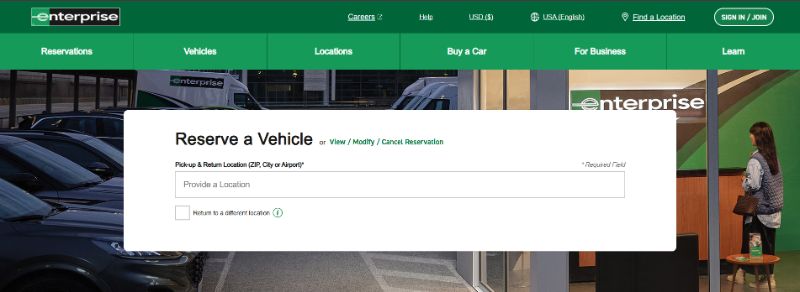
Enterprise Rent-A-Car is worth considering if you want to compare airport and neighborhood rental options, passenger vehicles, SUVs, or rentals for business and personal travel.
When evaluating Enterprise car rental, check the availability of nearby branches, the total reservation price, mileage terms, deposit requirements, and the conditions for extending a booking.
Enterprise may be suitable for customers who prefer a traditional rental provider with multiple location options. However, prices and service experiences can vary between branches.
Best approach: Compare the specific Enterprise location and vehicle category against alternatives for the same dates.
Hertz Car Rental

Hertz car rental is another option to compare for airport pickups, city rentals, business travel, and different vehicle categories.
Check whether your preferred branch offers convenient collection and return arrangements. Review the estimated total, loyalty benefits if applicable, protection options, and policies for late returns.
A Hertz reservation may be a practical fit when its available vehicles, location, and terms match your requirements.
Avis Rent a Car
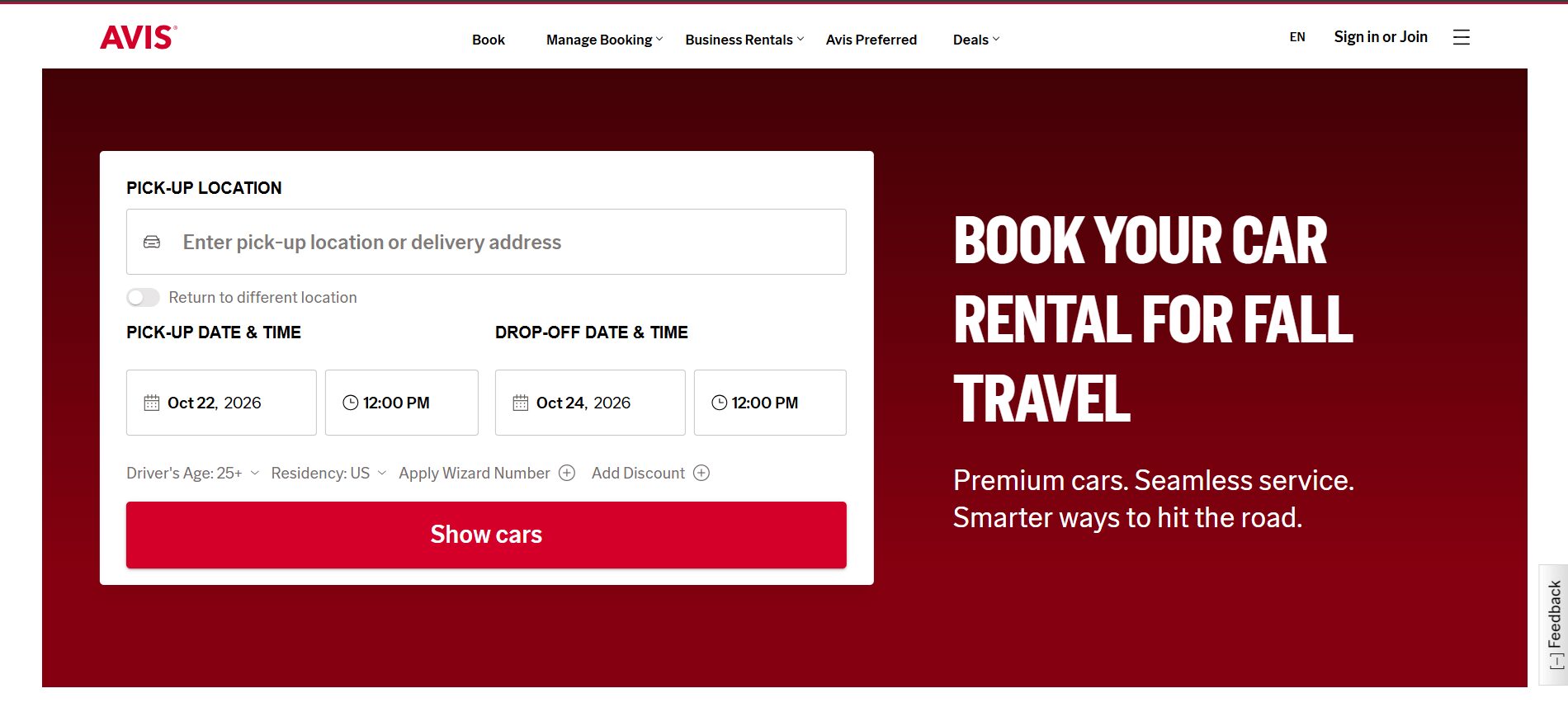
Avis rental car options can be worth evaluating for business trips, personal travel, and airport or neighborhood pickup.
Compare vehicle categories, reservation flexibility, payment conditions, and any benefits available through an eligible membership or corporate arrangement.
For frequent travelers, consider whether the booking experience and available services provide practical value beyond the initial rate.
Budget Car Rental

Budget car rental is worth checking when affordability is a priority.
However, the word “budget” does not guarantee that every booking will be cheaper than comparable offers from other companies.
Compare the final price, mandatory charges, mileage allowance, cancellation terms, and pickup convenience. A lower base rate may not represent the best overall deal if other costs increase the total.
National Car Rental
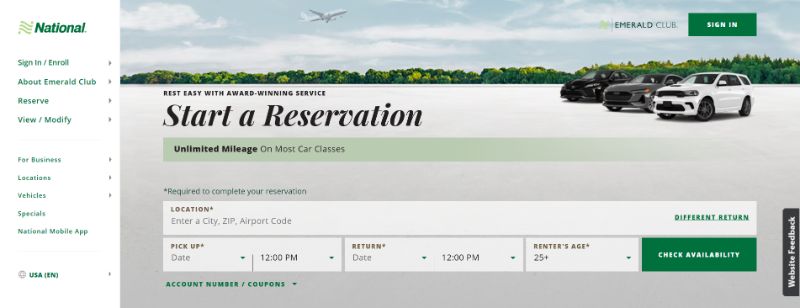
National Car Rental is an option to consider when evaluating airport rentals and business travel arrangements.
Travelers should compare vehicle availability, booking requirements, applicable membership benefits, and the terms of their particular reservation.
If your organization has a corporate rental agreement, check whether National or another provider offers a better overall combination of rates, flexibility, and administrative convenience.
SIXT Car Rental
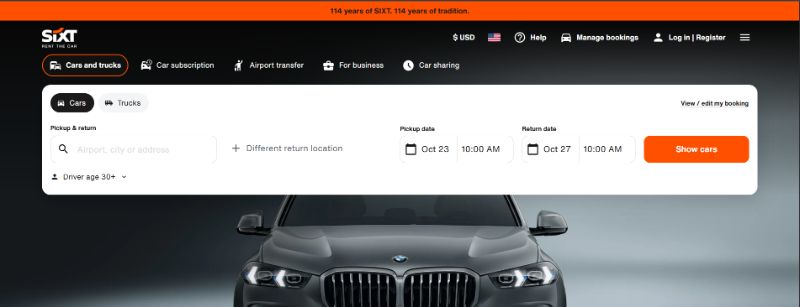
SIXT car rental may be worth comparing if you are looking for a range of vehicle categories, including premium options where available.
As with other providers, check the exact vehicle category, deposit requirements, age restrictions, insurance or waiver options, and total rental charges.
A premium vehicle is not necessarily the right choice for every trip. Evaluate whether the additional cost delivers meaningful value for your intended use.
How Should You Compare These Rental Companies?
Use the same pickup and return details for each comparison. Otherwise, price differences may reflect different locations, rental periods, vehicle categories, or terms rather than a genuine difference in value.
| Comparison factor | What to check |
|---|---|
| Total price | Base rate, taxes, fees, and selected extras |
| Vehicle | Category, passenger capacity, and luggage space |
| Location | Distance from your airport, hotel, or home |
| Payment | Accepted cards and deposit requirements |
| Protection | Coverage terms, exclusions, and deductibles |
| Mileage | Included allowance and excess-mileage charges |
| Flexibility | Cancellation, changes, and extensions |
| Support | Breakdown procedures and assistance availability |
| Return | Fuel or charging policy and late-return terms |
Before making a decision, compare the actual booking terms rather than relying exclusively on brand reputation.
Are Cheap Car Rental Companies Always the Best Choice?
No. A cheap car rental company can be a good choice when the vehicle is suitable, the terms are clear, and the final price meets your budget.
However, the cheapest advertised option may become more expensive after additional fees, protection products, mileage charges, or inconvenient pickup arrangements are considered.
Evaluate the total cost of the trip. Include any transportation required to reach the rental branch, the time needed to collect the vehicle, and any potential charges that apply to your itinerary.
The best value is the combination of affordability, convenience, appropriate coverage, and reliable service.
How to Find Weekly Car Rentals Under $100
Searches for weekly car rentals under $100 are usually driven by a desire to keep transportation expenses as low as possible.
However, a total price below $100 for an entire week should not be treated as a standard or guaranteed rental offer. Rates depend on location, demand, rental dates, vehicle category, taxes, fees, and availability.
If you want to find an unusually low weekly rate, consider these steps:
Compare several pickup locations in the same area.
Check neighborhood branches as well as airport locations.
Search different dates if your schedule allows.
Compare economy and compact vehicle categories.
Review weekly pricing rather than assuming seven daily rates are cheaper.
Check the total price after mandatory taxes and charges.
Confirm mileage limits, payment requirements, and deposit conditions.
Review cancellation rules before committing.
A promotional base rate may not include all taxes or fees. Always verify the final amount for your specific reservation.
Is a $200 Weekly Car Rental From Enterprise Possible?
A $200 weekly car rental from Enterprise may be possible for certain combinations of dates, locations, vehicle categories, and promotional offers, but it cannot be guaranteed without checking live availability and the final quote.
The difference between a $200 base rental rate and a $200 all-in rental cost is important. Taxes, location-specific fees, optional protection products, and other charges can increase the amount payable.
To evaluate an Enterprise weekly rental, enter your exact pickup and return dates, compare available vehicle categories, and inspect the price breakdown before booking.
If the total exceeds your budget, compare other nearby Enterprise branches and equivalent offers from other rental providers.
Do not assume that a price advertised in one city or season will be available elsewhere.
Is a Rental Car Comparison Website Worth Using?
Comparison platforms can simplify the search process by presenting several rental offers together.
They are particularly useful when you have flexible dates, want to compare multiple brands, or are searching for an affordable vehicle in an unfamiliar city.
However, check the reservation provider, cancellation terms, payment conditions, and final price. A booking made through a third-party platform may have different customer service and modification procedures from a reservation made directly with the rental company.
If a price appears substantially lower than competing offers, review the terms carefully before paying.
A Simple Booking Strategy for 2026
For the most useful comparison, follow this process:
Establish your maximum total budget.
Select the pickup and return locations.
Choose the vehicle category that meets your needs.
Compare at least a few available offers.
Review mileage, fuel, deposit, and protection terms.
Calculate the full cost of your planned rental period.
Confirm that the booking can accommodate your schedule.
Save your reservation confirmation and the applicable terms.
This method helps you evaluate rental options consistently and reduces the likelihood of choosing an offer that looks affordable but does not fit your needs.
Car Rental Company Near Maryland and Virginia: How to Find Local Options
When searching for a car rental company near Maryland or Virginia, the most useful results are those that match your specific city, travel dates, and pickup requirements.
Both states offer a mix of airport and neighborhood rental locations. However, the nearest branch is not necessarily the cheapest, and the lowest advertised rate may not be available at every location.
How to Find a Car Rental Company Near Maryland
Start by identifying the city or airport where you need the vehicle.
Depending on your itinerary, you might compare rental locations in Baltimore, the surrounding Maryland suburbs, or areas near major airports serving the region.
Consider these factors:
Distance from your arrival point or accommodation.
Branch opening hours.
Availability of your preferred vehicle category.
Total rental price, including location-specific charges.
Parking and return arrangements.
Whether you can return the vehicle to a different location.
Access to roadside support.
If you are arriving by air, compare the convenience of an airport rental against a neighborhood branch. A slightly cheaper rental elsewhere may require extra transportation to collect the car.
When searching online, use the city or ZIP code rather than relying exclusively on a broad query such as “car rental company near Maryland.”
A specific location generally makes it easier to compare realistic pickup options.
How to Find a Car Rental Company Near Virginia
For Virginia rentals, begin with your destination city and the locations you will visit.
Travelers may need vehicles in areas such as Richmond, Arlington, Alexandria, Norfolk, Virginia Beach, or locations around major airports.
Major rental providers maintain location networks in parts of Virginia, but the available vehicles, hours, and booking conditions vary by branch.
Compare:
Nearby airport rental locations.
Neighborhood branches close to your accommodation.
Pickup and return arrangements.
Total cost for your planned dates.
Vehicle availability and mileage conditions.
If you are traveling between Virginia and Maryland, confirm that your rental agreement permits the intended route. Ordinary interstate travel is generally common for U.S. rentals, but you should always verify any geographic restrictions that apply to your specific booking.
Car Rentals in Virginia: What Should You Consider?
When arranging car rentals in Virginia, think about the type of driving your trip involves.
For urban travel around Northern Virginia, a compact or midsize car may be convenient for parking and routine transportation. For a family trip, an SUV or minivan may provide more room. For a longer road trip, comfort, fuel economy, luggage space, and mileage terms become more important.
Before you rent a car in Virginia, verify:
Your pickup location and operating hours.
The total rental cost.
The vehicle category.
The fuel or charging policy.
Whether your route involves toll roads.
The return location and time.
Any restrictions on additional drivers.
These details are particularly important when collecting a car at one location and returning it after traveling across several cities.
Cheap Car Rental in Virginia: How to Save Money
Finding a cheap car rental in Virginia involves comparing the complete rental arrangement rather than simply choosing the lowest displayed rate.
Try these approaches:
Compare nearby branches. Airport and neighborhood locations may have different prices and fees.
Check multiple dates. If your schedule is flexible, compare different pickup and return dates.
Choose a suitable vehicle category. A smaller car may cost less and use less fuel if it meets your passenger and luggage requirements.
Avoid unnecessary extras. Add equipment or optional services only when they provide genuine value. Review protection options carefully before declining or purchasing them.
Understand toll arrangements. Ask how electronic tolls are handled and whether administrative fees apply.
Check the fuel policy. Returning the car according to the agreed fuel policy can help avoid unnecessary refueling charges.
Review cancellation conditions. A flexible booking can be useful when your travel plans are uncertain, but confirm the exact cancellation terms.
The best cheap car rental in Virginia is the one that meets your needs without introducing unexpected costs.
Should You Search for “Rent a Car Virginia” or “Rental Car Places Near Me”?
Both searches can be useful, but they serve slightly different purposes.
“Rent a car Virginia” is appropriate when you know the state where you need the vehicle but have not selected a specific branch.
“Rental car places near me” is more useful when you want nearby options based on your current location.
For a more precise search, combine the service with a city, airport, or ZIP code. For example, searching for car rentals in Richmond or rental cars near a specific Virginia airport can narrow the results.
Before choosing a nearby provider, check the actual pickup address. Search results may include locations that are close geographically but inconvenient to reach using your available transportation.
Can You Rent a Car in Virginia and Return It in Maryland?
Many rental companies permit one-way rentals between eligible locations, but availability and fees vary.
Before booking, enter different pickup and return locations and review the resulting quote.
Check whether the destination branch accepts returns for your vehicle category and whether an additional one-way charge applies.
If you intend to travel across state lines, confirm that the rental agreement permits the journey. Do not assume that every vehicle, specialty rental, or restricted booking follows the same rules.
Car Rental Company vs. Car Leasing: Which Option Is Better in 2026?
Car rental and car leasing both provide access to a vehicle without requiring an outright purchase, but they serve different needs.
A rental is generally designed for temporary transportation, while a lease is typically a longer-term contractual arrangement.
The right option depends on how long you need the vehicle, your expected mileage, the total cost, and how much flexibility you require.
What Is the Difference Between Renting and Leasing a Car?
A car rental usually allows you to pay for a defined period, such as a day, week, or month, subject to the provider's terms.
A car lease generally involves a longer commitment, often measured in years, with agreed payment terms, mileage allowances, maintenance responsibilities, and conditions for returning the vehicle.
The details depend on the contract and provider. Not every rental company offers long-term arrangements, and not every leasing agreement has the same structure.
Car Rental vs. Car Leasing Comparison
| Factor | Car rental | Car leasing |
|---|---|---|
| Typical duration | Hours, days, weeks, or months | Commonly several months or years |
| Commitment | Usually shorter-term | Usually longer-term |
| Initial payment | Rental charges and any required deposit or authorization | May include an initial payment and other contract charges |
| Maintenance | Responsibilities depend on the rental agreement | Responsibilities depend on the lease |
| Mileage | May be unlimited or subject to a limit | Usually governed by a contractual mileage allowance |
| Flexibility | Often more practical for temporary needs | Less flexible because of the longer commitment |
| Vehicle changes | May be possible through a new reservation | Usually governed by the lease contract |
| Best suited for | Trips, temporary transportation, and short assignments | Longer-term vehicle use |
When Is Renting a Car Better?
Renting is often the more practical option when you need a vehicle temporarily.
For example, a visitor staying in Virginia for one week may prefer a rental because it avoids a longer contractual commitment.
Renting can also make sense when:
You are traveling for a short business assignment.
Your personal vehicle is temporarily unavailable.
You are visiting family in another state.
You need a vehicle for a specific project.
You want to test whether a particular vehicle category suits your needs.
For these situations, flexibility may be more valuable than securing a lower long-term payment.
When Is Leasing a Car Better?
Leasing may be worth considering if you expect to need a vehicle regularly over a longer period and want predictable contractual payments.
However, compare the entire agreement rather than focusing only on the monthly payment.
Consider the initial payment, mileage restrictions, insurance, maintenance obligations, wear-and-tear standards, early termination terms, and end-of-lease charges.
If you expect to drive significantly more than the permitted mileage, the additional costs may change the value of the arrangement.
Is a Monthly Rental Better Than Leasing?
Not necessarily.
A monthly rental may offer greater flexibility and may be suitable when your plans could change. A lease may offer a different cost structure for someone who needs a vehicle consistently over a longer period.
To compare them fairly, estimate the total cost over the same period and include all relevant charges.
For example, if you need a vehicle for three months, compare the complete cost of three monthly rentals with any available lease or longer-term vehicle arrangement. Check whether the rental price changes when extended and whether the lease requires a longer commitment.
The decision rule is simple: Choose a rental when flexibility and temporary access are your main priorities. Consider leasing when you need a vehicle consistently for a longer period and the contract fits your budget, mileage, and usage requirements.
FAQ: Frequently Asked Questions About Choosing a Car Rental Company
1. What is the best car rental company in 2026?
There is no single best car rental company for every traveler. Enterprise Rent-A-Car, Hertz, Avis, Budget, National Car Rental, and SIXT are among the providers worth comparing in the United States.
The best choice depends on the rental location, vehicle availability, total cost, pickup convenience, insurance or waiver options, mileage terms, and customer support.
Compare actual quotes for the same dates and vehicle category before making a decision.
2. How do I find a reliable car rental company?
Start by checking recent reviews for the specific rental branch, comparing total prices, and reviewing the rental agreement.
Confirm vehicle availability, deposit requirements, accepted payment methods, mileage allowances, fuel policies, and cancellation terms.
A reliable rental arrangement should have clear costs, appropriate vehicles, understandable terms, and a defined process for getting help during the rental.
3. How can I find a cheap car rental company?
Compare multiple providers and nearby locations using the same pickup and return details.
Look for suitable economy or compact vehicles, check weekly rates, and review the final price after mandatory charges.
Also consider the cost of reaching the pickup branch, the fuel policy, and any mileage restrictions. The lowest advertised rate is not always the lowest total cost.
4. Are weekly car rentals under $100 available?
Weekly car rentals under $100 may appear in limited promotional or location-specific circumstances, but they are not a guaranteed or typical price across the market.
Availability depends on dates, location, demand, vehicle category, taxes, and fees.
Check live quotes and verify whether the displayed price covers the entire rental period or only the base rate.
5. Can I get a $200 weekly car rental from Enterprise?
A $200 weekly Enterprise rental may be available for some bookings, but the price depends on the location, dates, vehicle category, and applicable offers.
Check the total cost for your exact reservation, including taxes and fees. Do not assume that a quoted base rate represents the final amount payable.
6. Which car rental company is usually the cheapest?
No rental company is consistently the cheapest for every destination and date.
Budget, Enterprise, Hertz, Avis, National, and SIXT can have different offers depending on the location and vehicle category. Independent providers may also be worth comparing.
Use the same dates, vehicle category, pickup location, and return location to make a meaningful comparison.
7. What documents do I need to rent a car in the United States?
Common requirements include a valid driver's license, an acceptable payment method, and any additional identification or documentation required by the rental provider.
International visitors may need additional documentation depending on their license, country of origin, and the rental company's rules.
Requirements vary by company and location, so confirm them before traveling to the rental counter.
8. Can I rent a car if I am under 25?
Some rental companies rent to eligible drivers under 25, but age restrictions and additional fees may apply.
Minimum age requirements can vary by state, company, vehicle category, and other conditions. Some specialty or larger vehicles may have stricter requirements.
Check the rules for your specific rental location before making a reservation.
9. Is it better to book a rental car online or at the counter?
Online booking makes it easier to compare prices, review rental terms, and reserve a suitable vehicle category before arrival.
Booking at a counter may be useful for travelers who need assistance or have changing plans, but availability and pricing can differ.
If you have specific vehicle requirements or are traveling during a busy period, reserving in advance can help you plan more confidently. Always review the cancellation terms.
10. How do I find a car rental company near Maryland?
Identify the city, airport, or ZIP code where you need the vehicle, then compare nearby rental branches.
Check pickup convenience, operating hours, available vehicle categories, and total prices.
A specific location search is generally more useful than searching for a car rental company across the entire state.
11. How do I find a car rental company near Virginia?
Search using the city or airport where you plan to collect the vehicle. You can compare rental options in areas such as Richmond, Arlington, Alexandria, Norfolk, and Virginia Beach.
Verify the branch address, vehicle availability, total cost, and return arrangements before booking.
12. What is the best way to find cheap car rental in Virginia?
Compare airport and neighborhood branches, use flexible dates where possible, and choose a vehicle category that matches your requirements.
Review taxes, mileage, fuel policies, toll-related charges, and optional extras. Check the final price instead of relying on the advertised daily rate.
13. Can I rent a car in Virginia and drive to Maryland?
Many standard U.S. rental agreements permit interstate travel, including travel between Virginia and Maryland. However, you should verify the geographic restrictions in your specific agreement.
Also confirm the return location, especially if you intend to drop off the vehicle in a different state.
14. What is the difference between a rental car and a leased car?
A rental car is generally intended for temporary use, such as a trip lasting a few days or weeks.
A leased car is typically used under a longer-term contract with defined payments, mileage allowances, and return conditions.
Renting is usually more flexible for short-term needs, while leasing may be worth evaluating for longer-term use.
15. Is an electric car rental worth it?
An electric car rental can be worthwhile if charging is accessible, the vehicle's range suits your itinerary, and the rental price is competitive.
Before booking, check charging locations, charging costs, battery-return requirements, and any applicable fees.
For routes with limited charging infrastructure or long distances, compare an electric vehicle with a conventional or hybrid alternative.
16. What should I check before signing a rental car agreement?
Review the rental period, total charges, deposit, payment requirements, mileage allowance, fuel policy, permitted drivers, protection selections, cancellation terms, and return instructions.
Inspect the vehicle and document existing damage before leaving the pickup location.
Ask the rental representative to clarify any unclear charges or restrictions before signing.
17. What does “rental car places near me” mean?
It generally means rental branches located near your current location.
Search results may include airport locations, neighborhood offices, and independent providers. Compare the actual address, travel time, operating hours, and total rental price before choosing one.
18. Can I rent a car for one month?
Many rental providers offer longer-term arrangements or allow customers to extend qualifying reservations.
Pricing, mileage allowances, payment requirements, and extension conditions vary. Compare the total monthly rental cost with other longer-term transportation options before booking.
19. What is the difference between Enterprise Rent-A-Car and Enterprise car rental?
These are commonly used variations of the same brand name in rental searches. When comparing an Enterprise booking, focus on the actual branch, vehicle category, price, and rental terms rather than the wording used in the search query.
20. What does “car rent alo” mean?
If you searched for “car rent alo,” you may have intended to search for “car rental” or “rent a car.” Try including your destination city, dates, or ZIP code to find more relevant rental options.
21. What does rental car sales mean?
“Rental car sales” can refer to vehicles being sold by rental companies or fleet operators after their period of rental service.
If you want to purchase a former rental vehicle, evaluate its maintenance records, accident history where available, mileage, inspection results, warranty terms, and total purchase price.
Buying a vehicle from a rental fleet is different from reserving a car for temporary use, so compare the relevant purchase terms carefully.
22. Should I choose the nearest rental company or the cheapest one?
Neither factor should be considered in isolation.
A nearby branch may save transportation time and money, while a farther branch may offer a lower rental price. Compare the rental quote plus the cost and time required to reach the location.
Choose the option that offers the best overall value for your trip.
Conclusion
Choosing the best car rental company in 2026 requires a clear understanding of your travel requirements, budget, vehicle preferences, and rental terms.
Whether you are comparing Enterprise Rent-A-Car, Hertz, Avis, Budget, National Car Rental, SIXT, or a local provider, the most useful comparison is based on the same pickup dates, locations, vehicle categories, and rental conditions.
Look beyond the advertised price. Review taxes, additional fees, mileage limits, fuel policies, deposits, optional protection products, and cancellation rules before making a reservation.
If affordability is your main priority, compare weekly offers carefully rather than assuming that a low advertised rate represents the final cost. Searches for weekly car rentals under $100 or a $200 weekly Enterprise rental should be treated as price targets to investigate, not guaranteed deals.
For travelers looking for a car rental company near Maryland or Virginia, compare airport and neighborhood locations, confirm vehicle availability, and choose a branch that fits your route and schedule.
Finally, consider whether you need a daily rental, a weekly booking, a monthly arrangement, or a longer-term lease. The right choice depends on how long you need the vehicle and how much flexibility you require.
Before you book, compare the complete cost, read the rental agreement, confirm the vehicle category, and document the car's condition at pickup. These steps can help you make a more informed decision and find a rental service that balances affordability, convenience, and reliability.
The best car rental company is ultimately the one that meets your specific needs, provides clear terms, and delivers good overall value for your journey.